Browse Categories
Hi, I'm maddie

LCSW, Therapist, Private Practice Owner, and social media coach based in Raleigh, NC. My work centers on supporting children, teens, and young adults through anxiety, trauma, and meaningful life transitions — both in the therapy room and beyond it. My hope is this resource is a space for modern mental health insights that feel grounded, accessible, and human - what therapy should be!
The Ache of Loving Someone Who Suffers and You Can’t Fix It
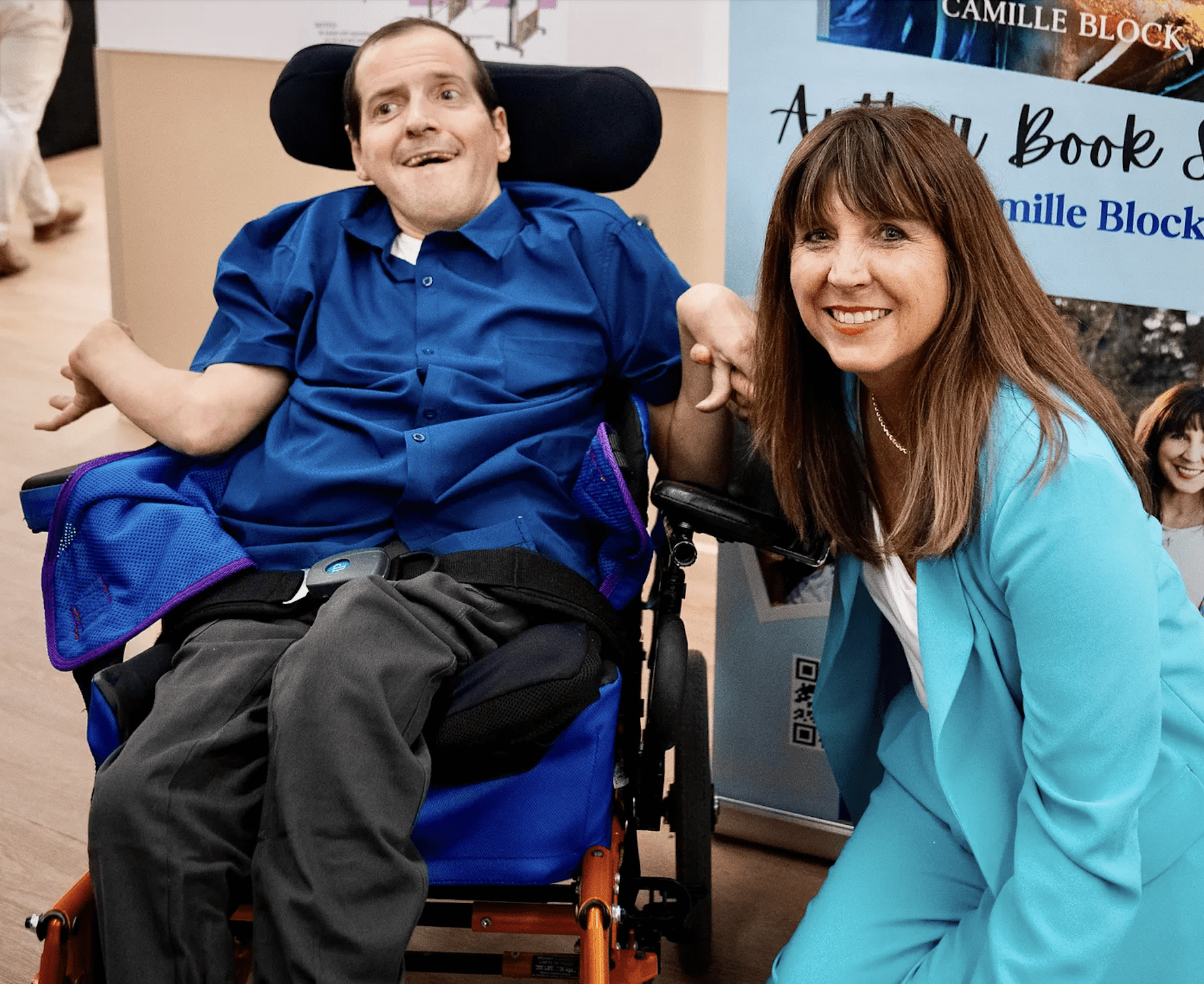
The Ache of Loving Someone Who Suffers and You Can’t Fix It One sibling’s journey through secondhand suffering, and its path towards hope
Guest Author: Camille Block
I was just a little girl when I first felt the weight of secondhand suffering. My younger brother, Kevin, was born healthy, but a lack of oxygen at birth left him with severe cerebral palsy. He would never walk, talk, or feed himself. I remember sitting beside him as Sesame Street played on TV, holding his drooping head steady so he could laugh with me at Ernie and Bert.
It was a simple act, but even then, I knew he needed me; I was his protector and voice. What I didn’t know then is that the simple joy I felt sitting by his side as a good big sister would later transform into an inexplicable heaviness of emotions that kept my heart forever entangled with his.
You’ve heard the phrase, ‘Name it to tame it’? Secondhand Suffering™ is the name I’ve coined to describe the silent anguish of walking alongside someone you love who suffers with a significant disability, ongoing illness or chronic pain.
Does the name tame it? Not exactly. But it helps. It invites a dialogue about a rarely discussed topic and assures us we are not alone. And often, it can set us on a path towards healing our own hearts when we feel seen.
Decades ago, we thought only those who smoked breathed it in. But later, we discovered those in the vicinity were also affected. The name stuck: secondhand smoke. Similarly, when a loved one suffers, they are not the only one harmed. Those of us who love and care for them are emotionally, if not also physically, affected. But unlike smoke, these emotions are hidden. Hidden guilt. Hidden grief. Hidden exhaustion.
Hidden things, however, when exposed to the light of truth, can weigh less.
Unpacking it a little more, secondhand suffering is the heavy emotional burden that many siblings, spouses, caregivers and friends carry in the shadows of a loved one’s suffering. And typically, it comes with:
- Guilt for being healthy when your loved one is not.
- Frustration at your inability to change their circumstances.
- Invisibility because no one sees the inner angst you hide within your composed exterior persona.
Growing up, I felt the dull ache of being “the normal one” (yes, we actually used that phrase back then) while my brother was trapped in a body that didn’t do what he wanted and a mouth that couldn’t say what he was thinking. While my mother regularly reminded me how lucky I was to have a ‘working body’, I think I carried more silent guilt than most my age.
Why him and not me?
And why did I hold back from letting myself feel truly happy? And why did no one seem able to answer any of my existential questions about all the other “whys” that were the elephant in the room?
In a world that doesn’t like to discuss suffering and often inadvertently overlooks people with disabilities or chronic illnesses, those of us with secondhand suffering struggle behind the curtain.
So why bother raising it now?
This isn’t about claiming victimhood—it’s about naming what’s real so we can address it. Awareness is important when it comes to human suffering. It starts a conversation that serves as an onramp to greater comfort, increased community, renewed purpose and a path towards hope for an overlooked group of people hiding in their pain.
Walking this journey alongside someone with chronic hardship has taught me that suffering and hope are not opposites. They can coexist. Yes, there are ups and downs, good days and bad days. But while I have known profound sadness, I’ve also tasted a deep peace at the same time. This didn’t happen instinctively or suddenly.
It has been a journey – a heart journey. And one worth traveling.
While life’s circumstances are erratic, when we experience what St. John of the Cross (16th century mystic) calls the “dark night of the soul,” we have a unique opportunity to build our strength – practically, emotionally and spiritually. Covering up hard realities that tenderize our heart with shallow platitudes and oversimplified answers don’t satisfy our souls.
As a grown midlife big sister to my nonverbal brother living as a quadriplegic, secondhand suffering is still very real for me on a daily basis. However, several positive breakthroughs – often because of strong advocacy and not losing hope – have ushered in beautiful moments of joy to keep us going.
In the still moments when it’s hard—holding his hand, fighting for his life, or simply looking deeply into his penetrating eye gaze filled with silent yearnings—I have felt something very sacred – this connection spurs me on. These humble moments of surrender may not always fix what’s broken, but they can usher in an unusual peace amid unsolved mysteries.
If you find yourself in the shadows of someone else’s suffering—whether as a sibling, a caregiver, a spouse, or a friend—you are not alone.
Your ache matters. Your story matters. You matter.
Here are three things I’ve learned that have helped me on my own heart journey of walking alongside my brother’s life-limiting condition:
1. Small wins are big wins.
Kevin will likely never walk or speak with his voice. But he can smile. His smile inspires me. And now he is learning to use his eyes to communicate. After years of advocacy, he can enjoy eating real food again after being restricted to only G-tube formula feedings for many years. And he has survived multiple aspiration pneumonia hospitalizations only to be healthier now than he was ten years ago.
These aren’t cure-level miracles. But they’re hope-level miracles. Celebrate anything positive. A smile. A recovery from an illness. A beautiful day together. These small wins are bigger than you think. They keep hope alive.
2. Your guilt helps no one.
For years, I sabotaged my own joy with guilt. If I enjoyed a delicious meal, I felt wrong because Kevin couldn’t eat freely. If I went on a vacation, I felt selfish.
Then someone offered me this analogy: If life is a pie, and you and your loved one each get your own pie, not eating yours doesn’t give them any more of theirs. The pieces aren’t transferable.
When you refuse to enjoy your blessings out of guilt, they simply go to waste. Your denial of something good doesn’t help your loved one at all.
Honoring your own joy, rest, and peace isn’t betraying them. It’s sustaining yourself so you can continue to show up. Enjoy your blessings and opportunities — they are not transferable.
3. Keep your heart soft — it’s the path to transformation.
There is something unique about allowing our hearts to embrace empathetic love for another that keeps us human. A hardened heart keeps us stuck.
In a world where most don’t want to feel pain, we don’t like to talk about suffering. Yet there is a path towards emotional and spiritual transformation when we push THROUGH the pain, not around it.
Short cuts are not sustainable and only leave us hungry with anemic souls. Facing it head on can lead to places that unlock new perspectives, strengthen our emotional immune system, and discover treasures of wisdom and hope amid the rubble.
For more specific tools for the heart, check out Hope for Secondhand Suffering: Tools for the Heart When You Can’t Fix Your Loved One’s Pain on Amazon or anywhere books are sold.
About the Author
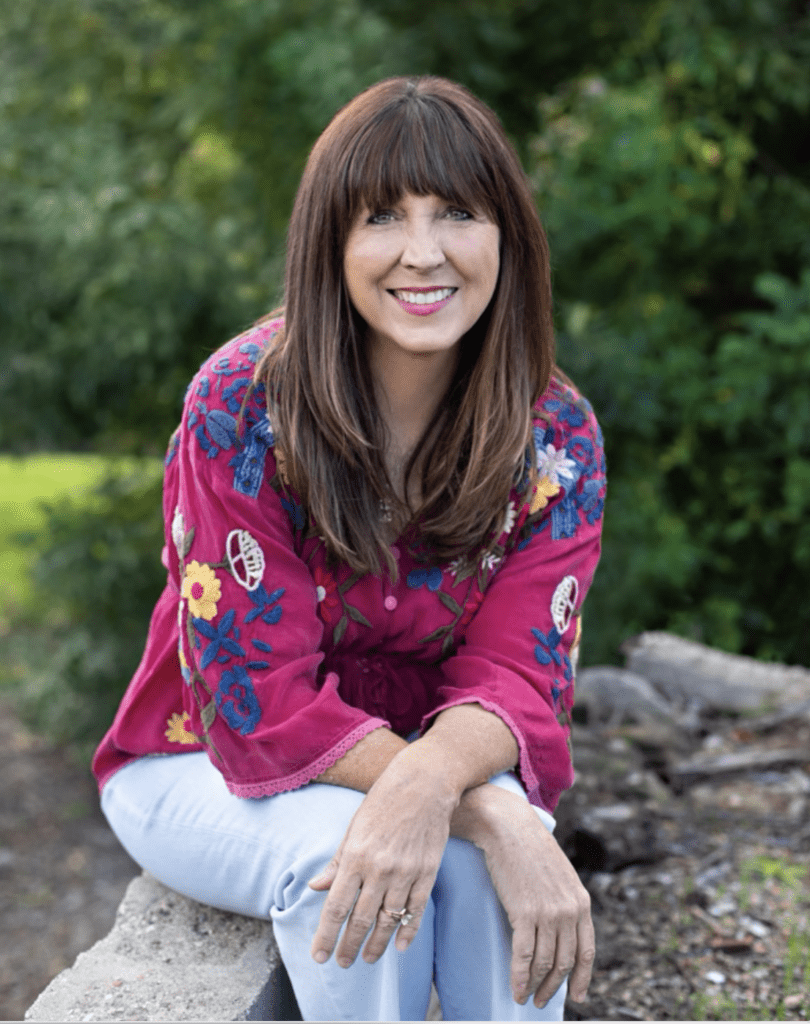
Camille Block is the author of Hope for Secondhand Suffering: Tools for the Heart When You Can’t Fix Your Loved One’s Pain. She serves as sister, advocate, and medical conservator for her disabled brother Kevin. The book offers practical tools and spiritual insights for anyone carrying the invisible burden of loving someone whose pain they cannot fix. Learn more at camilleblock.cc and follow @camilleblock.author on Instagram and @camilleblock.author on Facebook.
Fun Fact: Camille is also Maddie’s mom! Healers run in the family 😉 If any of this resonates with you and you too are experiencing secondhand suffering, there is hope in your story and you too deserve support. Reach out to a local and licensed therapist who can give you the care you give to everyone else. Based in NC? Check out Maddie’s therapy practice – Flourish Wellness – for empathetic, modern care with therapists here to support whatever you may be experiencing.
Leave a Reply
Hi, I'm maddie
LCSW, Therapist, Private Practice Owner, and social media coach based in Raleigh, NC. My work centers on supporting children, teens, and young adults through anxiety, trauma, and meaningful life transitions — both in the therapy room and beyond it. My hope is this resource is a space for modern mental health insights that feel grounded, accessible, and human - what therapy should be!

Be the first to comment